Feeling constantly tired? Short of breath after minor tasks? Your heart might be asking for help. A “weak heart” often refers to heart failure, a condition where the heart doesn’t pump blood as well as it should.
But here is the most important message: You are not powerless.
According to the American Heart Association, heart disease is the leading cause of death globally. But up to 80% of cardiovascular events, including heart failure, can be prevented with lifestyle changes.
Strengthening your heart is a journey. It is built on daily choices. This guide, make a weak heart stronger, provides 15 simple, actionable steps. They are rooted in science and expert guidelines. Let’s begin.
Why It Matters – The Case for a Stronger Heart
Having a look at the following data can make you comprehend why you should move ahead to make a weak heart stronger:
- Cardiovascular disease is the world’s leading cause of death, accounting for about 31.6 % of deaths globally.
- Over recent decades, death rates from heart disease and stroke have fallen—thanks largely to prevention, better care, and lifestyle improvements. – Our World in Data
- Up to 80 % of heart disease is believed preventable with healthy habits.
- One large meta-analysis showed that people who maintain or shift toward a healthy lifestyle have ~50 % lower risk of all-cause mortality including heart causes – OUP Academic
15 Easy Steps to Make a Weak Heart Stronger
Each of these steps builds a habit or environment that supports a more robust cardiovascular system.
1. Know Your Number
You cannot manage what you do not measure. Your first step is to understand your key health metrics. Schedule a check-up with your doctor. Know your:
- Blood Pressure: Aim for less than 120/80 mm Hg.
- Cholesterol: High LDL (“bad”) cholesterol builds plaque in arteries.
- Blood Sugar: High levels can damage blood vessels over time.
- Body Mass Index (BMI): A measure of healthy weight for your height.
This data is your baseline. It tells you and your doctor exactly where to focus your efforts.
2. Set Realistic Goals
Don’t aim for too much too fast. Small gains compound. For example:
- Increase your daily walking by 500 steps per week.
- Or reduce salt intake gradually.
A study of lifestyle change found that small increments in diet and activity can shift cardiovascular risk meaningfully.
3. Move Daily

The heart is a muscle. It gets stronger when you challenge it. To make a weak heart stronger,
- Aim for 150 minutes/week of moderate aerobic activity (walking, cycling, swimming) or 75 minutes of vigorous activity.
- If just starting, even 10-minute walks piled up through the day help.
- For people with damaged or weak hearts, begin with low to moderate intensity, then gradually increase.
4. Add Strength Training
Strength training helps build muscles and improves metabolic health. Over time, it supports better circulation and eases load on the heart. Include 2 sessions per week with light weights, resistance bands, or bodyweight exercises.
5. Eat a Heart-Healthy Diet (the DASH or Mediterranean style)
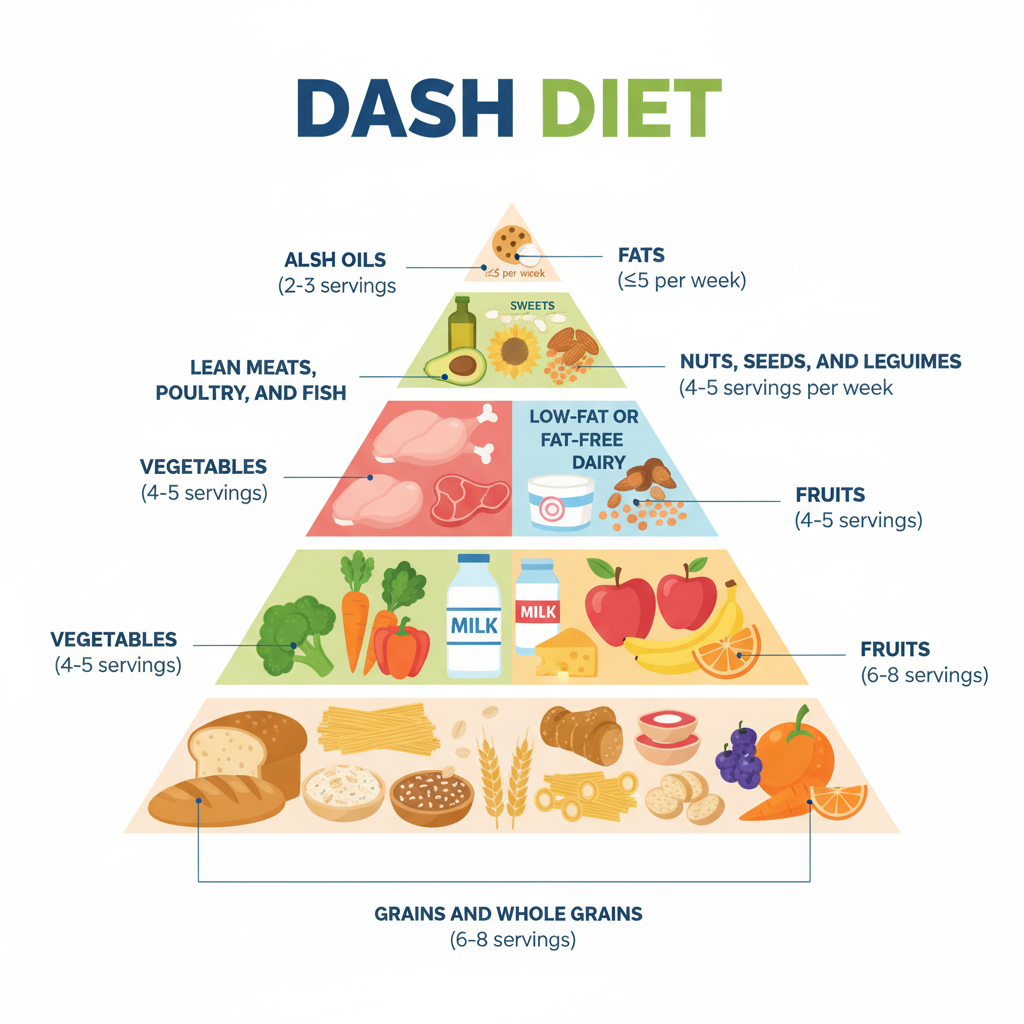
Your diet has powerful effects on heart strength. The DASH diet (Dietary Approaches to Stop Hypertension) reduces blood pressure on average ~5.2/2.6 mmHg and lowers cholesterol.
Focus on:
• Vegetables, fruits, whole grains
• Lean protein (fish, legumes)
• Healthy fats (olive oil, nuts, seeds)
• Low added sugar, low processed food, limited salt (<6 g/day)
Include foods known for heart benefit: blueberries, oats, garlic, seeds, green tea.
6. Control Salt and Sodium Intake
High sodium leads to high blood pressure, which stresses the heart. Limit sodium to under 2,300 mg/day (≈6 g of salt). Most guidelines push for even lower, especially if you have hypertension.
7. Lose Excess Weight
Excess weight forces the heart to work harder.
- Even modest weight loss (5–10 % of body weight) can yield major benefits in blood pressure, cholesterol, and insulin sensitivity.
- In many studies, combining diet and exercise yields better outcomes than either alone.
8. Quit Smoking and Avoid Second-Hand Smoke
Smoking is one of the strongest risk factors for heart disease. It:
- Damages blood vessels
- Raises blood pressure
- Reduces oxygen delivery
Quitting rapidly reduces your risk. Even past smokers benefit enormously.
9. Limit Alcohol Consumption
If you drink, keep it moderate:
- For most, that means 1 drink/day for women, 2 for men, max.
- Avoid binge drinking.
- Excess alcohol raises blood pressure, causes arrhythmias, and stresses your heart.
10. Prioritize Quality Sleep
Poor sleep disrupts hormonal balance, blood pressure, and stress response.
- Aim for 7–9 hours of uninterrupted sleep.
- Follow a sleep routine.
- Consult your doctor if you have sleep disorders like apnoea and insomnia.
11. Manage Stress and Mental Health
Chronic stress increases cortisol, adrenaline, and inflammation — all harmful to the heart.
- Try breathing exercises, meditation, yoga, journaling, or hobbies you enjoy.
- Be social to avoid loneliness and isolation that hurt heart health.
12. Limit Sedentary Time & Break-up Sitting
Even if you exercise, sitting too long is harmful.
- Stand up every 30 minutes.
- Take short walks, stretch breaks, or simple movement.
Non-exercise activity (walking, chores) contributes meaningfully to heart health.
13. Monitor and Control
Cholesterol, blood pressure, and blood sugar hurt the heart. Lifestyle helps, but medical monitoring is crucial. Use medications as your cardiologist prescribes (statins, antihypertensives, etc).
Studies like the 4S trial showed reducing LDL cholesterol with statins cut mortality by ~30 %.
Track these numbers over time.
14. Make It Social / Get Support
Join walking groups, sports clubs, or healthy cooking groups. Accountability helps you stay consistent. Share goals with friends or family.
15. Be Consistent and Patient
Heart improvement takes time. Stick to the routine. Many changes show up over months to years.
- Remember: deaths from heart disease have dropped massively over the past 50 years thanks to prevention, lifestyle, and care.
- In Finland’s North Karelia Project, addressing diet, smoking, and blood pressure reduced heart disease mortality by ~80 % in working-age adults over decades.
Conclusion
A weak heart doesn’t mean defeat. Over time, thoughtful lifestyle shifts stack up. By tracking metrics, eating wisely, exercising, quitting bad habits, managing stress, and staying consistent, you can make a heart stronger.
The path isn’t instant, but it’s steady—and research backs that small, sustained changes yield big impact. Begin today. Your heart will thank you.
FAQs
Q: Can someone with heart failure or weak heart still do these steps?
Yes — many are adapted to cardiac rehabilitation. Always check with your cardiologist before starting exercise. Start gently and build gradually.
massgeneralbrigham.org
Q: How long until I see results?
You may notice improved stamina, lower resting heart rate, better sleep, and more energy in weeks to months. Metrics (BP, cholesterol) take months. Long-term outcome gains accrue over years.
Q: Do I need supplements?
A well-balanced diet typically suffices. Supplements may help only under doctor supervision (e.g. omega-3). Never rely on them as primary strategy.
Q: What if I slip or fall off track?
Don’t let that discourage you. Restart the next day. Consistency over perfection is what counts.
Disclaimer – The texts with tips or advice mentioned here at stayyounghealthy.com are only for information purposes, but not a substitute of medical advice. Before acting on or following any advice or tips, consulting a respective doctor or expert is essential for you. Stay Young Healthy is not responsible if you have any bad impacts on your health.
References:
- https://www.ahajournals.org/doi/10.1161/CIR.0000000000001123
- https://academic.oup.com/eurjpc/article/31/2/205/7286591
- https://www.who.int/news-room/fact-sheets/detail/cardiovascular-diseases-(cvds)
- https://ourworldindata.org/cardiovascular-deaths-decline
- https://timesofindia.indiatimes.com/life-style/health-fitness/health-news/about-80-of-heart-disease-is-preventable-us-doctor-recommends-5-daily-habits-to-prevent-the-risk-of-heart-attack/photostory/124274742.cms
- https://www.mayoclinic.org/diseases-conditions/heart-disease/in-depth/heart-disease-prevention/art-20046502
- https://www.health.harvard.edu/healthbeat/10-small-steps-for-better-heart-health
- https://www.massgeneralbrigham.org/en/about/newsroom/articles/damaged-heart-muscles-and-exercise
- https://en.wikipedia.org/wiki/DASH_diet
- https://www.nhs.uk/conditions/coronary-heart-disease/prevention
- https://uihc.org/health-topics/10-foods-improve-your-heart-health
- https://pmc.ncbi.nlm.nih.gov/articles/PMC6378495/
- https://en.wikipedia.org/wiki/North_Karelia_Project
- https://arxiv.org/abs/2003.10963
- https://www.mayoclinic.org/diseases-conditions/heart-disease/in-depth/heart-disease-prevention/art-20046502