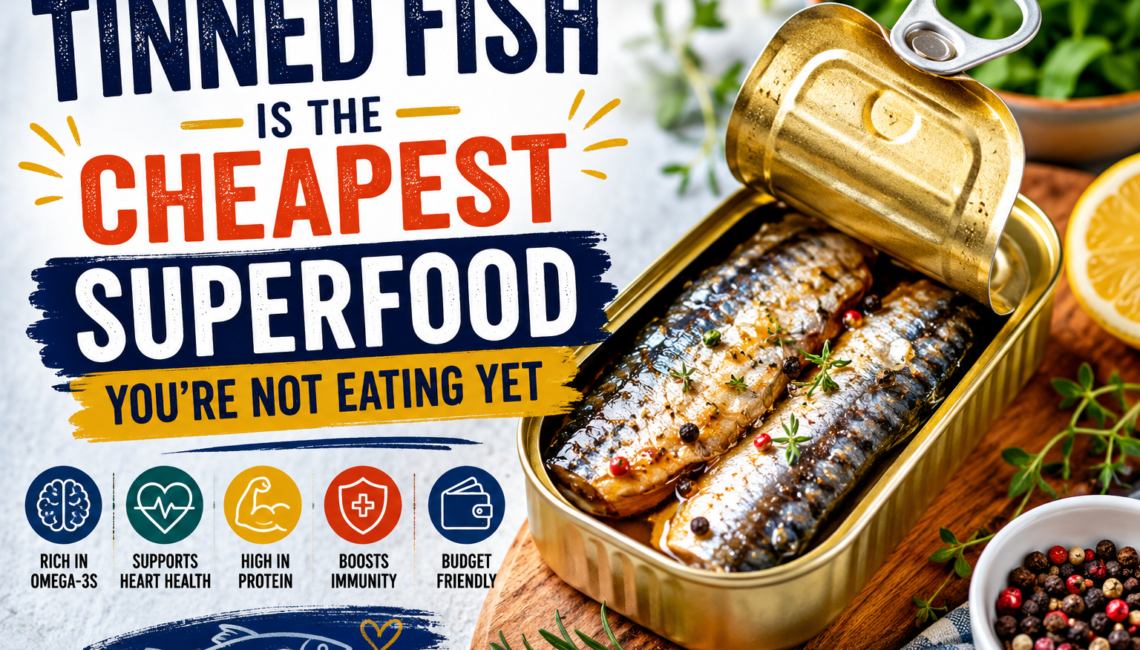
Picture this: it’s 8 p.m., you’re starving, and the fanciest thing in your kitchen is a dented can that’s been sitting in the back of the cupboard since who knows when. You crack it open, drape the sardines over toast with a squeeze of lemon, and somehow it’s better than half the things you’ve ordered on Swiggy this month. That’s the quiet magic of tinned fish — and it’s having a genuine moment right now, with home cooks building entire “tinned fish date nights” around a few cans and some crackers.
I used to roll my eyes at it too. Canned fish felt like emergency food, the thing you eat when you’ve given up. But the more I dug into what’s actually inside those little tins, the more I realised most of us have been ignoring one of the most nutrient-dense, wallet-friendly foods on the planet.
Why Tinned Fish Beats Fresh More Often Than You’d Think
Here’s the part that surprised me. Fresh fish at the market has usually spent days in transit, slowly losing freshness and omega-3 content under fluorescent lights. Tinned fish, on the other hand, gets cooked and sealed within hours of being caught. The nutrients get locked in at their peak instead of fading on a shelf.
And because canning softens the bones in sardines and mackerel until they’re completely edible, you’re eating the calcium-rich skeleton along with the flesh. A small tin of sardines can hand you nearly a third of your daily calcium — something a fresh fillet simply can’t do. So the convenience food turns out to be the more complete one. Funny how that works.
What’s Actually Packed Into That Little Tin
Let’s talk numbers, because this is where tinned fish really earns its superfood badge. A single tin of sardines (around 90–120g) delivers roughly 22–25 grams of complete protein, a serious dose of omega-3 fatty acids, vitamin D, vitamin B12, selenium, and that bonus calcium from the bones. For something that costs less than a coffee, that’s an absurd nutritional return.
The omega-3s are the headline act. These are the fats your brain and heart genuinely need, the ones tied to lower inflammation, sharper memory, and steadier moods. Most people fall short of them, popping fish oil capsules instead. But a couple of tins a week gets you there for a fraction of the price, and your body absorbs the real thing more readily than it does a softgel.
Then there’s vitamin D — the nutrient an enormous chunk of us are quietly deficient in, especially anyone who spends their days indoors. Oily fish is one of the few foods that actually contains meaningful amounts of it. When was the last time you checked your vitamin D level? If it’s been a while, a few tins of mackerel might be a tastier fix than another supplement.
Sardines vs Tuna: What I’d Actually Reach For
People lump all tinned fish together, but they’re not equal, and I’ll just say it outright — sardines win. They’re small, they’re low on the food chain, and that means they accumulate far less mercury than the big predators. They’re also packed with more omega-3 per gram and come with those soft, edible bones doing the calcium heavy lifting.
Tuna isn’t the enemy. It’s lean, high in protein, and brilliant for a quick salad or sandwich. But it’s a larger, longer-living fish, so mercury builds up more, which is why the advice is to keep it to a few servings a week rather than daily. Mackerel sits somewhere comfortably in between — rich, flavourful, big on omega-3, and still low enough on the chain to eat often.
If you’re standing in the supermarket aisle wondering which to grab, reach for sardines or mackerel packed in olive oil or water. Skip the ones drowning in sunflower oil or heavy sauces loaded with sugar and salt. The fish is the star; it doesn’t need a costume.
How to Eat It Without Hating Your Life
I get it — the idea of eating fish straight from a can makes some people gag. The trick is treating tinned fish as an ingredient, not a sad standalone meal. Here are a couple of things that genuinely changed my mind about it:
- Mash sardines with a fork, add a squeeze of lemon, a crack of black pepper, and a little chopped onion or green chilli, then pile it onto warm toast. Ready in three minutes, keeps you full for hours.
- Toss tuna or mackerel through hot pasta with garlic, olive oil, and a handful of cherry tomatoes. It melts into the dish and stops tasting “canned” entirely.
- Stir flaked fish into a bowl of curd with cucumber and herbs for a high-protein dip, or fold it into an omelette for breakfast.
One practical tip worth its weight in gold: drain and rinse fish packed in brine if you’re watching your sodium, but keep the olive oil ones intact — that oil is full of flavour and healthy fats you actually want. And buy a few extra tins when they’re on offer. They keep for years, so you’ll always have a real meal within arm’s reach on the nights cooking feels impossible.
The Bottom Line on This Humble Superfood
We spend a fortune chasing wellness through powders, capsules, and exotic berries flown in from across the world. Meanwhile, one of the most powerful foods for your heart, brain, and bones has been sitting on the bottom shelf the whole time, costing pocket change and lasting practically forever. Tinned fish isn’t glamorous. It doesn’t need to be. Crack open a tin this week and let your body do the talking — it’s been asking for this longer than you realise.