Most weight-loss advice comes from people with something to sell: a diet book, a tea or a meal plan. The research is less exciting. When diets are tested head to head, they usually work about equally well. Exercise matters more for keeping weight off than for losing it. Sleep matters more than most people think. And the newest weight-loss medicines work well, but only while you keep taking them. This guide sets out what the evidence actually shows, where it is still uncertain, and how this site’s other weight-loss articles fit together.
This is general information drawn from published research. It is not medical advice. If you have a medical condition, take regular medication, are pregnant, or have a history of disordered eating, talk to your doctor before changing how you eat.
In this article:
- How Much Weight Loss Actually Matters
- Which Diet Works Best?
- Ultra-Processed Food and Overeating
- Intermittent Fasting
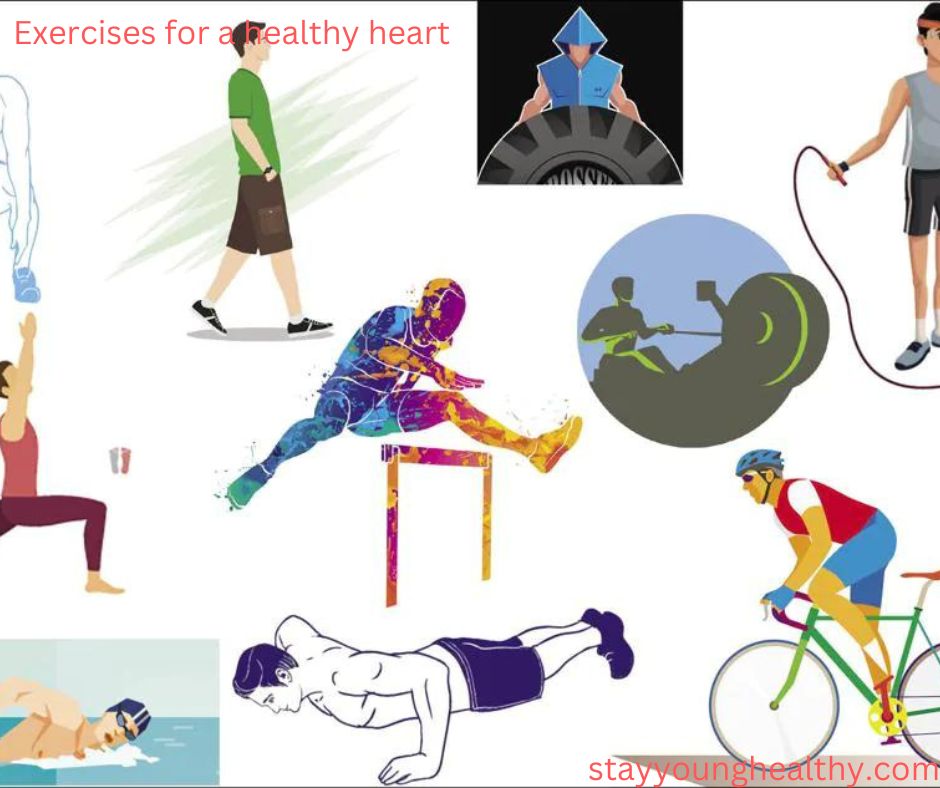
- Exercise: Better for Keeping Weight Off Than Losing It
- Sleep: The Underrated Factor
- Why Weight Loss Slows Down
- Weight-Loss Medications (GLP-1 Drugs)
- What People Who Keep Weight Off Do
- Myths and Shortcuts That Don’t Hold Up
- Frequently Asked Questions
- The Bottom Line
How Much Weight Loss Actually Matters
You don’t need to reach a “goal weight” to get most of the health benefit. The CDC notes that a modest loss of about 5% of body weight (10 pounds for someone who weighs 200) can lower the risk of chronic diseases linked to obesity.
The best evidence for this is the Diabetes Prevention Program, published in the New England Journal of Medicine in 2002 (Knowler and colleagues). It randomly assigned 3,234 adults with raised blood sugar to a placebo, the drug metformin, or a lifestyle programme. The lifestyle programme aimed for at least 7% weight loss plus more physical activity. Compared with placebo, the lifestyle group cut their risk of developing type 2 diabetes by 58%, nearly twice the effect of metformin (31%).
The pace matters too. According to the CDC, people who lose weight gradually and steadily, at about 1 to 2 pounds a week, are more likely to keep it off than people who lose it fast.
Which Diet Works Best?
The honest answer is whichever one you can keep doing. The clearest test of this is the DIETFITS trial (Gardner and colleagues, JAMA, 2018). It randomly assigned 609 adults to either a healthy low-fat diet or a healthy low-carbohydrate diet for 12 months. Both groups were told to focus on whole, minimally processed foods. After a year, the low-fat group had lost an average of 5.3 kg and the low-carb group 6.0 kg. The difference of 0.7 kg was not statistically significant.
The trial also tested whether a person’s genes or insulin levels predicted which diet would suit them better. Neither did. That’s a useful finding, because “personalised” diet tests are widely marketed on exactly that idea.
What the two diets had in common was more important than how they differed: fewer refined carbohydrates and added sugars, more vegetables and whole foods, and less ultra-processed food. Sugary drinks are an easy place to start. See this site’s articles on sugary drinks and type 2 diabetes and whether diet soda is a good swap.
Many people find higher-protein meals more filling, which can make a calorie deficit easier to stick to. A future article in this series will look at what the trials say about protein and weight loss.
Ultra-Processed Food and Overeating
One of the most influential diet studies of the past decade was small but tightly controlled. In 2019, Kevin Hall and colleagues at the US National Institutes of Health had 20 adults live in a research clinic for four weeks (Cell Metabolism). For two weeks they ate an ultra-processed diet, and for the other two an unprocessed diet. The meals offered were matched for calories, sugar, fat, fibre and other nutrients, and participants could eat as much or as little as they wanted.
On the ultra-processed diet, people ate about 500 more calories a day and gained about 0.9 kg over two weeks. On the unprocessed diet, they lost weight. Nobody was told to eat more or less. The difference came from how the food was made.
It was a short study of only 20 people, and not everyone responded the same way. Still, it’s some of the strongest evidence that ultra-processed food makes it easier to overeat without noticing, rather than just being eaten more often by people who already weigh more.
Intermittent Fasting
Time-restricted eating, such as the popular 16:8 approach of eating only within an eight-hour window, works for some people because it cuts down on snacking. In controlled trials, though, it hasn’t beaten ordinary calorie reduction.
- TREAT trial (Lowe and colleagues, JAMA Internal Medicine, 2020): 116 adults with overweight or obesity were randomly assigned to 16:8 eating or three regular meals a day for 12 weeks. Weight loss was small in both groups, and the difference between them wasn’t statistically significant. The authors also urged caution about a possible loss of lean mass in the fasting group.
- Liu and colleagues (NEJM, 2022): 139 adults with obesity in China were all put on the same calorie-restricted diet for a year, with or without an 8am–4pm eating window. The time-restricted group lost 8.0 kg and the calorie-only group 6.3 kg, a difference that was not statistically significant. The lead investigator concluded that cutting calories explained most of the benefit.
If an eating window helps you eat less without feeling miserable, it’s a reasonable tool. It just isn’t a metabolic shortcut.
For alternate-day fasting, the newer head-to-head trials, and who should avoid fasting altogether, see Intermittent Fasting for Weight Loss: What the Trials Actually Show.
Exercise: Better for Keeping Weight Off Than Losing It
This is the finding that surprises people most. A 2014 review by Swift and colleagues in Progress in Cardiovascular Diseases concluded that aerobic exercise at the levels in public health guidelines usually produces only modest weight loss, and that clinically significant loss is unlikely unless the amount of exercise is very high. The same review found that exercise plays an important role in preventing weight regain. It also found that exercise has major health benefits even when the scale doesn’t move.
So exercise is still worth doing. Just expect it to help you keep the weight off rather than take it off. Walking is the easiest place to start. See this site’s guide to how many steps a day you really need and its article on exercises to lose weight.
One thing exercise can’t do is burn fat from a particular body part. That’s the spot-reduction myth, covered in depth in this site’s flat stomach guide.
Sleep: The Underrated Factor
Two trials make a strong case that sleep belongs in any weight-loss plan.
- Nedeltcheva and colleagues (Annals of Internal Medicine, 2010) put 10 overweight adults on the same calorie-reduced diet twice, for 14 days each time: once with 8.5 hours in bed each night and once with 5.5 hours. They lost similar amounts of weight both times, but on short sleep much less of it was fat. Fat loss dropped from 1.4 kg to 0.6 kg, more of the lost weight was muscle and other lean tissue, and people reported feeling hungrier.
- Tasali and colleagues (JAMA Internal Medicine, 2022) gave 80 adults with overweight, who usually slept under 6.5 hours, simple counselling to sleep longer. They gained about 1.2 hours of sleep a night and, without being told to diet, ate about 270 fewer calories a day than the control group, measured objectively. The researchers noted it wasn’t a weight-loss study and that longer trials are needed.
If you’re often tired despite a full night in bed, it’s worth ruling out sleep apnoea, which is more common in people carrying extra weight.
Why Weight Loss Slows Down
When you lose weight, your body burns fewer calories. Part of this is because a smaller body needs less energy, but the drop can be bigger than weight loss alone explains. This is called metabolic adaptation.
The best-known example comes from contestants on the TV show The Biggest Loser. Fothergill and colleagues (Obesity, 2016) followed up 14 of the 16 contestants six years after the competition. On average they had regained 41 kg, but their resting metabolic rate was still about 700 calories a day below where it had started. After adjusting for body size and age, about 500 calories a day of that drop was beyond what their new weight would predict.
That was an extreme case: very rapid weight loss through intensive exercise and dieting on television. Most people losing weight at a normal pace won’t see adaptation anywhere near that large. But it helps explain why plateaus happen and why keeping weight off takes ongoing effort, not willpower alone.
Weight-Loss Medications (GLP-1 Drugs)
Medicines like semaglutide (sold as Wegovy and Ozempic) and tirzepatide (Zepbound and Mounjaro) have changed what’s possible for people with obesity. Both were tested in large trials alongside lifestyle support:
- STEP 1 (Wilding and colleagues, NEJM, 2021): 1,961 adults with obesity or overweight, without diabetes. After 68 weeks, people on weekly semaglutide 2.4 mg had lost an average of 14.9% of their body weight, compared with 2.4% on placebo.
- SURMOUNT-1 (Jastreboff and colleagues, NEJM, 2022): 2,539 adults. After 72 weeks, people on the highest dose of tirzepatide (15 mg) had lost an average of 20.9%, compared with 3.1% on placebo.
The catch is what happens when people stop. In the STEP 1 extension (Wilding and colleagues, Diabetes, Obesity and Metabolism, 2022), people who stopped semaglutide regained about two-thirds of the weight they had lost within a year, and most of their improvements in blood pressure, blood sugar and cholesterol drifted back towards where they started. The authors concluded that obesity is a chronic condition and that ongoing treatment is needed to keep the benefits.
These are prescription medicines with side effects, mainly nausea and other digestive problems, and they aren’t right for everyone. Talk to your doctor about whether they suit you.
What People Who Keep Weight Off Do
The US National Weight Control Registry, set up in 1994, tracks thousands of people who have lost at least 30 pounds and kept it off for at least a year. A 2005 review of the registry by Wing and Phelan (American Journal of Clinical Nutrition) found some habits they tend to share:
- High levels of regular physical activity.
- Regular self-weighing: 44% weighed themselves daily and another 31% at least weekly.
- Continuing to watch what they eat after the weight-loss phase ends.
- Eating consistently through the week and at weekends. Members whose eating stayed the same on weekdays and weekends were about 1.5 times more likely to keep their weight stable over the next year.
Registry members are a self-selected group of people who succeeded, so these are patterns, not proof of cause. They do match the trial evidence, though: keeping weight off depends on ongoing habits more than on any particular diet. Trackers and smart scales can help with the monitoring part, but have limits. See whether fitness trackers help you lose weight and how accurate smart scales are.
Myths and Shortcuts That Don’t Hold Up
- “Fat-burning” teas. A 2012 Cochrane review of green tea preparations for weight loss found the effect was small and unlikely to be clinically important. Green tea is a fine drink (see is green tea good for you?), but it won’t do the work for you.
- Losing belly fat with ab exercises. Covered in the spot-reduction article above. A flat-looking stomach can also be about bloating rather than fat. See bloating vs belly fat.
- “The right diet for your genes.” DIETFITS tested this directly and found no effect.
- Very fast loss. The CDC notes that slower, steadier loss is more likely to last.
Weight is also about more than appearance. Fat stored around the waist is particularly linked to inflammation and metabolic risk, as covered in why belly fat is a sign of inflammaging.
Frequently Asked Questions
What is the best diet for weight loss?
The one you can stick to. In the 12-month DIETFITS trial, a healthy low-fat diet and a healthy low-carb diet produced almost the same weight loss (5.3 kg vs 6.0 kg). Both focused on whole foods and cut back on sugar and refined, processed foods.
How fast should I lose weight?
About 1 to 2 pounds a week. The CDC says people who lose weight gradually and steadily are more likely to keep it off. Losing just 5% of your body weight can lower the risk of obesity-related diseases.
Does intermittent fasting work better than normal dieting?
Not in controlled trials. In a year-long NEJM trial, adding an eight-hour eating window to a calorie-restricted diet didn’t produce significantly more weight loss than calorie restriction alone. It can still help if it makes eating less easier for you.
Can I lose weight with exercise alone?
Usually only a little, unless you do a very large amount. Reviews find exercise at recommended levels gives modest weight loss, but it is important for preventing regain and has many health benefits beyond weight.
Do you regain weight after stopping Ozempic or Wegovy?
Often, yes. In the STEP 1 trial extension, people who stopped semaglutide regained about two-thirds of the weight they had lost within a year. Researchers concluded that ongoing treatment is usually needed to maintain the benefit.
The Bottom Line
- A 5–10% loss brings real health benefits. In the Diabetes Prevention Program, a 7% goal cut diabetes risk by 58%.
- Diets work about equally well when tested properly. Choose one built on whole foods that you can keep up.
- Ultra-processed food makes it easy to eat about 500 extra calories a day without noticing.
- Intermittent fasting is a tool for eating less, not a metabolic advantage.
- Exercise matters most for keeping weight off and for overall health.
- Short sleep makes dieting harder. Getting more sleep may cut what you eat.
- GLP-1 medicines work well, but the weight usually comes back if you stop.
The articles linked throughout this guide cover each of these topics in more depth. New ones will be added as this series grows.