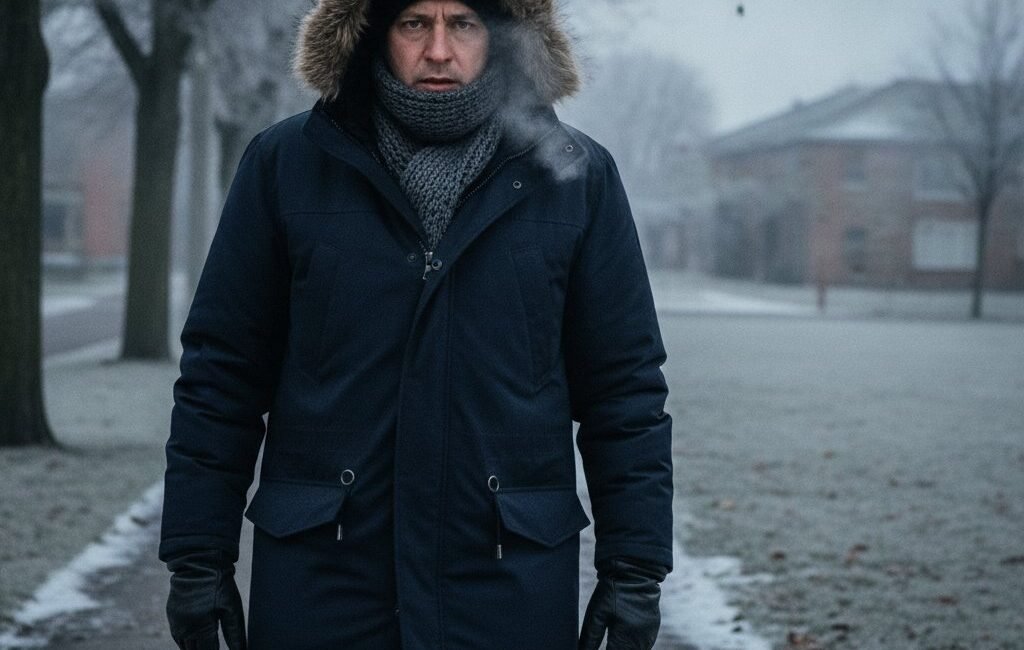
Every winter, the same warnings come out: cold weather is hard on the heart, and snow shovelling can bring on a heart attack. These can sound like old wives’ tales. But the research behind them is solid. Large studies covering hundreds of thousands of heart attacks, and tens of millions of deaths, show the risk does rise when it gets cold.
This article is part of our complete, evidence-based guide to heart health. It covers what the studies actually show, why cold strains the heart, who is most at risk, and the practical steps that make a difference.
This is general information, not medical advice. If you have heart disease or high blood pressure, ask your doctor what precautions make sense for you.
Is Winter Really Riskier for Your Heart?
Yes, though the increase is moderate rather than dramatic. Three lines of evidence point the same way.
Heart attacks rise as temperatures fall
The clearest data comes from Sweden. In a 2018 study in JAMA Cardiology, Moman Mohammad and colleagues at Lund University linked 274,029 heart attacks from the national SWEDEHEART registry to local weather on the day each one happened. Heart attacks were more common on days with lower temperatures, lower air pressure, stronger wind, and less sunshine.
Temperature had the clearest link. For every 7.4°C rise in the day’s minimum temperature, heart attacks fell by about 2.8%. Put the other way round, a cold snap of that size brings a small but measurable rise in heart attacks across a whole population.
Cold kills far more people than heat
Heatwaves get most of the headlines, but cold is the bigger killer. A 2015 study in The Lancet, led by Antonio Gasparrini at the London School of Hygiene & Tropical Medicine, analysed over 74 million deaths in 384 locations across 13 countries. About 7.71% of all deaths were linked to non-optimal temperatures. Cold accounted for 7.29% of all deaths; heat for just 0.42%.
The study also found that most of these deaths came on moderately cold days, not during extreme cold spells. That matters: you don’t need a blizzard for the risk to rise. Ordinary chilly weather, day after day, does most of the damage.
Blood pressure climbs in winter
Blood pressure follows the seasons. In a 2015 European Heart Journal study of about 23,000 people with existing heart disease or stroke in the China Kadoorie Biobank, average systolic (top-number) blood pressure was about 9 mmHg higher in winter than in summer. Above 5°C, each 10°C drop in outdoor temperature went with a 6.2 mmHg rise. The winter rise was larger in homes without central heating.
For context, our guide to what blood pressure numbers mean and how to measure them at home explains why it’s one of the most important numbers for your heart. A seasonal rise of that size is not trivial for someone whose blood pressure is already high.
Why Cold Strains the Heart
Your body’s first job in the cold is to keep its core warm. It does that in ways that make the heart work harder:
- Blood vessels narrow. Vessels in the skin tighten to hold in heat. This raises blood pressure, so the heart must pump against more resistance.
- Heart rate and demand go up. Stress hormones rise, pushing up heart rate and the heart’s need for oxygen.
- Blood clots more easily. Cold is linked to thicker, stickier blood, which can make a clot on a damaged artery more likely.
- Exertion feels easier than it is. Cold air can hide how hard you’re working, especially if you’ve had alcohol, which makes you feel warmer than you are.
For a healthy heart, this is easy to handle. For one with narrowed arteries, which many people have without knowing it, the extra demand can be the trigger that tips things over.
Winter’s Hidden Triggers
Temperature is only part of the story. Several other winter-specific factors add to the risk.
Snow shovelling
Shovelling heavy snow is demanding, unaccustomed exercise done in the cold, often by people who don’t exercise much. Lifting heavy snow also briefly raises blood pressure, especially when you strain and hold your breath.
The link is backed by data. A 2017 study in the Canadian Medical Association Journal (Nathalie Auger and colleagues) looked at 128,073 heart attack admissions and 68,155 heart attack deaths in Quebec over more than three decades of winters. In men, a heavy snowfall of 20 cm was followed the next day by a 16% higher chance of hospital admission for a heart attack, and a 34% higher chance of dying from one. The link was mainly in men, which the researchers suggested reflects who usually does the shovelling.
Flu and other winter infections
Respiratory infections peak in winter, and they’re a real heart attack trigger. A 2018 study in the New England Journal of Medicine by Jeffrey Kwong and colleagues in Ontario found that in the first 7 days after a lab-confirmed flu infection, people were about 6 times more likely to be admitted with a heart attack than in the year before or after.
The flip side is encouraging. In the IAMI trial (Circulation, 2021), 2,571 people who had just had a heart attack or had high-risk heart disease were given either a flu vaccine or a placebo. Over 12 months, deaths from any cause were 2.9% in the vaccine group versus 4.9% on placebo, a hazard ratio of 0.59. Cardiovascular deaths showed the same pattern.
The holidays
The same Swedish team looked at holidays in a 2018 BMJ study of 283,014 heart attacks. Christmas and New Year were linked to higher risk, peaking on Christmas Eve, when heart attacks were about 37% more likely, with the peak around 10pm. Heavy meals, alcohol, emotional stress, disrupted routines, and delays in seeking help all plausibly play a part.
Who Is Most at Risk?
Winter’s extra risk falls mostly on people whose hearts have less spare capacity:
- People with known heart disease, previous heart attack, heart failure, or angina
- People with high blood pressure, high cholesterol, or diabetes
- Older adults, who also lose body heat faster
- Smokers
- People who are mostly inactive and then suddenly exert themselves
- People living in cold, poorly heated homes
If any of these apply to you, it’s worth taking the steps below seriously.
How to Protect Your Heart in Cold Weather
Keep warm, indoors and out
Heat the rooms you use most, especially if you’re older or have heart disease. The Chinese blood pressure data suggests indoor warmth softens the winter blood pressure rise. Outdoors, wear layers, a hat, gloves, and a scarf over your mouth and nose when it’s very cold.
Shovel snow sensibly, or not at all
The American Heart Association recommends:
- Take frequent breaks and pay attention to how you feel
- Use a small shovel and push snow rather than lift it where you can, or use a snow blower
- Don’t eat a heavy meal just before or after shovelling
- Avoid alcohol before or right after shovelling
- If you have a heart condition, don’t exercise regularly, or are middle-aged or older, talk to your doctor before the first snowfall
If you have heart disease, the safest choice may be to let someone else do it.
Stay active, but warm up first
Don’t stop exercising for the winter. Regular activity lowers your overall heart risk, as we explain in the best exercise for heart health and how much you need. Just warm up indoors before going out, start more gently in the cold, or move your workout inside on the coldest days.
Get your flu jab
For people with heart disease, the flu vaccine is one of the simplest ways to cut winter risk. Ask your doctor or pharmacist about it, and about any other vaccines recommended for your age.
Keep an eye on your blood pressure
If you monitor at home, expect readings to creep up in winter. If they rise well above your usual range, tell your doctor. Don’t adjust medication yourself.
Know the warning signs, and act fast
Chest pain or pressure, pain spreading to the arm, back, neck, or jaw, shortness of breath, cold sweats, nausea, or light-headedness can all signal a heart attack. Women are somewhat more likely to have symptoms other than chest pain; see our guide to the heart attack warning signs women and older adults often miss. If you suspect a heart attack, call emergency services immediately. Don’t drive yourself. Don’t let holiday plans or bad weather delay you. For one family’s experience of how quickly things can change, read what my father’s heart emergency taught me.
The Bottom Line
Winter really is a riskier season for the heart. The rise in risk for any one person on any one day is small, but cold, snow, infections, and holiday excess all push in the same direction. Most of the extra risk falls on people who already have heart disease or its risk factors. Staying warm, shovelling carefully, keeping active, and getting vaccinated are simple, evidence-backed ways to get through the season safely.
Frequently Asked Questions
Are heart attacks more common in winter?
Yes. A Swedish study of 274,029 heart attacks found they were more common on colder, windier days with less sunshine. Each 7.4°C rise in daily minimum temperature was linked to about 2.8% fewer heart attacks. Winter infections and holidays add further risk.
Why is cold weather bad for your heart?
Cold makes blood vessels narrow, which raises blood pressure and makes the heart work harder. It also increases heart rate and may make blood clot more easily. A healthy heart copes easily, but these changes can trigger problems in people with narrowed arteries.
Can shovelling snow cause a heart attack?
It can, especially in people with heart disease or who are inactive. A Quebec study found that, in men, a heavy snowfall was followed the next day by a 16% higher chance of hospital admission and a 34% higher chance of death from a heart attack. Take breaks, push rather than lift, and ask your doctor first if you have a heart condition.
Does blood pressure go up in winter?
Yes. In a large Chinese study of people with existing heart disease, systolic blood pressure was about 9 mmHg higher in winter than in summer, and the rise was larger in homes without central heating. If you monitor at home, tell your doctor if your readings climb well above normal.
Does the flu vaccine protect your heart?
For people with heart disease, the evidence suggests it does. In the IAMI trial, people vaccinated soon after a heart attack had a lower risk of death over the next year (2.9% versus 4.9% on placebo). Flu infection itself raises heart attack risk about sixfold in the week after diagnosis.