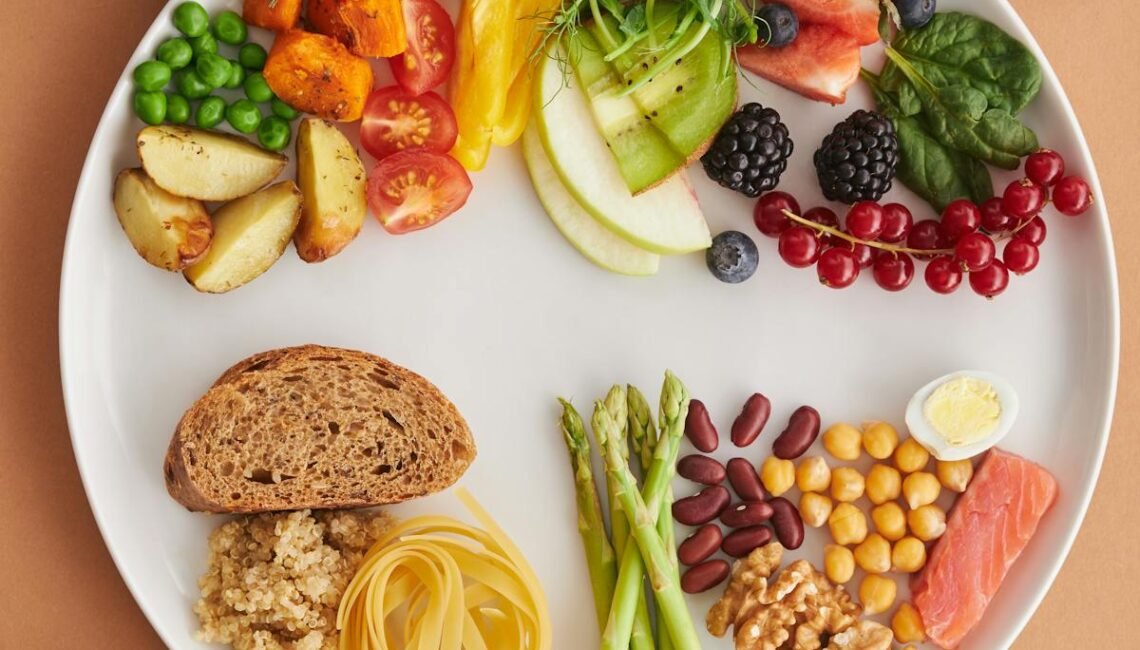
Most people are still obsessing over protein shakes and amino acid profiles. Meanwhile, nutrition scientists have quietly shifted their focus to something far less glamorous — and far more impactful. A major 2025 umbrella review published in ScienceDirect, analyzing data from over 17 million individuals, confirmed what researchers had been building toward for years: dietary fiber is the single most important nutritional lever for reducing your risk of chronic disease.
Welcome to the era of fibermaxxing — the 2026 nutrition movement where getting enough fiber isn’t just a digestive health tip, it’s the foundation of everything from heart health and blood sugar control to longevity and inflammation.
Why Most People Are Getting This Wrong
The average American gets about 15 grams of fiber per day. The recommended minimum is 25–38 grams. That gap is not a minor shortfall — it’s roughly half the daily target, every single day, across most of a lifetime.
The irony is that fiber doesn’t require a supplement budget or a complicated protocol. It’s sitting in the produce aisle, the bulk bin, and the legume section of every grocery store. The problem isn’t access — it’s that fiber has never had a good marketing campaign. Protein got the gyms. Omega-3s got the heart health aisle. Fiber got the laxative commercials.
That’s changing fast. Registered dietitians polled by MyFitnessPal named fiber the top nutrition priority for 2026, and food manufacturers are now racing to add it to drinks, snacks, and frozen meals. But you don’t need any of that. You need to understand why fiber matters and which foods actually deliver.
What Fiber Actually Does Inside Your Body
Fiber isn’t a single thing — it’s a category of carbohydrates your body can’t digest. That indigestibility is exactly the point.
Soluble Fiber
Soluble fiber dissolves in water and forms a gel-like substance in your gut. This slows digestion, blunts blood sugar spikes after meals, and pulls LDL cholesterol out of circulation. Oats, apples, lentils, and flaxseeds are dense sources. A 2024 meta-analysis in Frontiers in Nutrition found that consistent soluble fiber intake reduced LDL cholesterol by an average of 5–10% — comparable to some low-dose statin effects.
Insoluble Fiber
Insoluble fiber doesn’t dissolve — it adds bulk, speeds gut transit time, and keeps things moving. Whole wheat, nuts, cauliflower, and green beans are the workhorses here. Faster transit time directly reduces your colorectal cancer risk by limiting how long potential carcinogens sit in contact with the colon wall.
Your Gut Microbiome
This is where fiber’s real superpower lives. When fiber reaches your colon, gut bacteria ferment it and produce short-chain fatty acids (SCFAs) — particularly butyrate, propionate, and acetate. Butyrate is the primary fuel for colonocytes (your colon’s lining cells) and has powerful anti-inflammatory effects that extend well beyond the gut. Low butyrate production is consistently linked to higher systemic inflammation, which underlies everything from cardiovascular disease to depression.
The Chronic Disease Evidence Is Hard to Ignore
The 2025 umbrella review of 17 million people found that higher fiber intake was associated with:
- 15–30% reduced risk of cardiovascular disease
- 16–24% lower risk of type 2 diabetes
- Significant reduction in colorectal cancer incidence
- Lower all-cause mortality across age groups
A University of Minnesota study published in early 2026 added to this picture, finding that fiber intake was one of the most consistent predictors of healthy aging in cohorts followed for 20+ years — outperforming several other dietary factors that typically get more attention.
These aren’t marginal associations. They hold up across different populations, dietary patterns, and methodologies. The mechanism is well understood. This is about as solid as nutrition science gets.
The Best Fiber Sources (Ranked by Practicality)
You don’t need exotic superfoods. These are the highest-impact, easiest-to-use fiber sources available right now:
- Lentils — 15.6g per cooked cup. The most fiber-dense food most people never eat regularly. Takes 20 minutes to cook from dry.
- Black beans — 15g per cooked cup. Canned versions are just as effective. Rinse them and they’re ready.
- Chia seeds — 10g per 28g serving. Add to yogurt, oats, or smoothies without changing the taste.
- Oats — 4g per half-cup dry, almost entirely soluble beta-glucan — the type most studied for cholesterol reduction.
- Avocado — 10g per whole fruit, with a good mix of soluble and insoluble fiber.
- Raspberries — 8g per cup. The highest-fiber common fruit, and they freeze well.
- Almonds — 3.5g per 28g serving, plus healthy fats that slow digestion further.
- Broccoli — 5g per cup cooked, with additional sulforaphane compounds that amplify the anti-inflammatory effect.
How to Actually Hit 30 Grams a Day
Thirty grams sounds like a lot until you map it out concretely:
- Breakfast: Oats with chia seeds and raspberries → ~18g
- Lunch: Lentil soup or a black bean wrap → ~12–15g
- Dinner: Broccoli or a side salad with avocado → ~7–10g
You’re at 37–43 grams without trying hard. The key shift is making legumes and whole grains the base of at least two meals per day, not an afterthought.
One practical warning: if you’re currently eating very little fiber, increase slowly over 2–3 weeks. Your gut bacteria need time to adjust, and jumping from 10g to 35g overnight will cause bloating and discomfort that makes most people give up. Increase by 5g per week and drink more water alongside it.
The One Change Worth Making This Week
Don’t overhaul your diet. Just add a can of lentils or black beans to one meal today. That single swap adds 15 grams of fiber — bringing most people from deficient to nearly adequate in one meal. Do it three days this week, then four, then make it default. That’s fibermaxxing — not a supplement stack, just a consistent shift toward the foods human digestive systems were built to process.
The research is clear. The foods are cheap and accessible. The only thing missing was the urgency — and now you have it.


