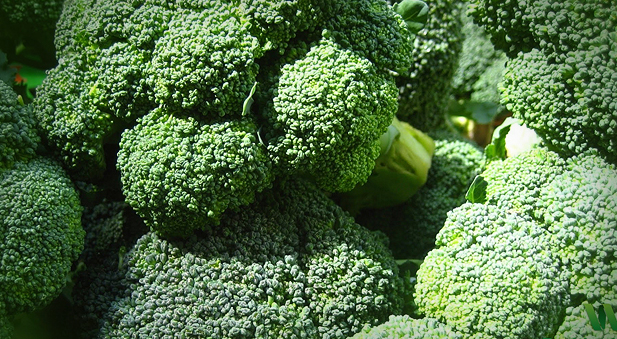
Enriched with numerous nutrients, broccoli is a tasty and beneficial vegetable. It has the most nutritional punch and supports in maintaining health. Have a look at seven amazing health benefits that you can have from regular intake of broccoli.
- Powerful source of antioxidants
As the intense source of vitamin C, broccoli stands out from other greenery vegetables. Further, it is rich in other powerful antioxidants like beta-carotene, zeaxanthin and carotenoids. Its intake can support you in maintaining your personality and looking younger.
- Reduction in cholesterol
Like several other whole foods, broccoli is rich in fibre. Its intake extracts cholesterol out from your body.
- Reduce inflammation and allergic reaction
According to recent researches, it has the ability of kaempferol that reduces the effect of allergy-related substances. Broccoli is enriched with omega 3 fatty acids that are acknowledged as an anti-inflammatory.
- Decrease the risk of cancer
Rich in immune enhancing properties, its intake helps you to fight with cancer. You have a lower risk of getting affected by cancer.
- Strengthen bone
Broccoli is also rich in vitamin K and calcium that good for bone and support in the prevention of osteoporosis.
- Heart health
Broccoli has anti-inflammatory properties of sulforaphane and isothiocyanates that may prevent you from getting affected by damage to blood vessel lining due to inflammation.
- Aid in diet
Rich in fibre and carbohydrates, broccoli prevents constipation, improves digestion, kerbs overeating and maintains blood sugar.




1 Comment
Good post