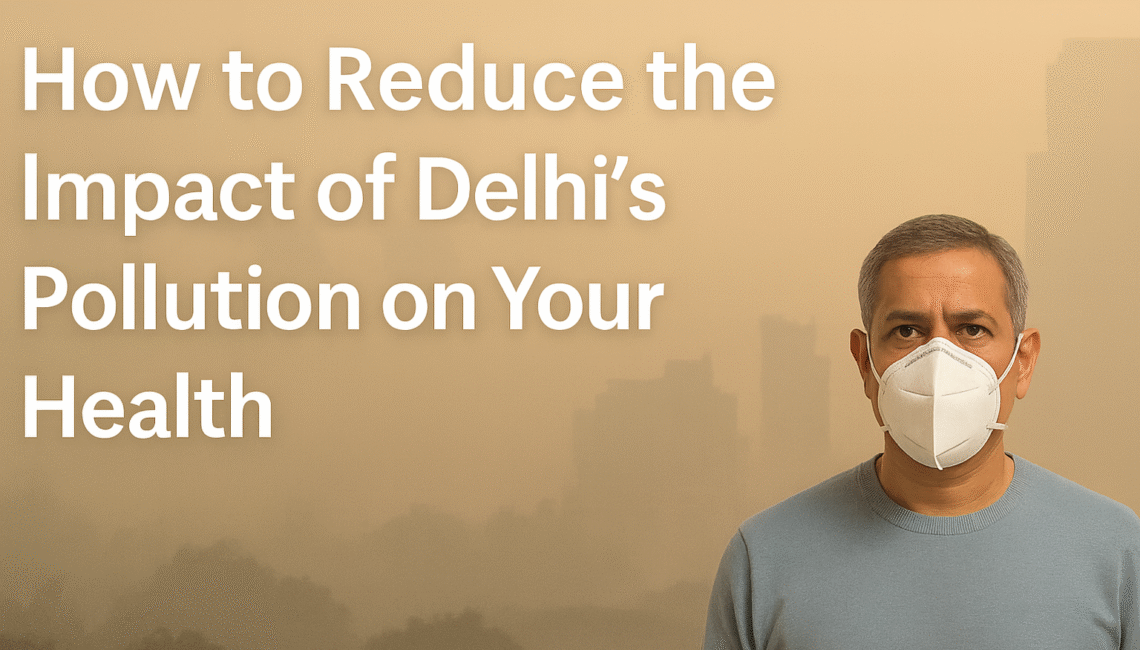
How to Reduce the Impact of Delhi’s Pollution on Your Health (Complete Guide)
Delhi is one of the world’s most vibrant cities—full of culture, food, festivals, and opportunities. But every year, especially from October to February, the city also battles one of its biggest challenges: severe air pollution.
The spike in pollution levels is not just a seasonal inconvenience; it has become a public health crisis. With AQI levels often rising above 400–500 (the “hazardous” category), the air becomes unsafe for everyone—children, adults, and even healthy individuals.
Yet, Delhiites continue their daily routines—office, school, travel, gym, shopping, and outdoor work. So the most important question today is:
How can we protect our health while living in such high pollution levels?
This comprehensive guide offers scientifically-backed, practical, everyday steps to reduce the impact of Delhi’s pollution on your body and mind.
🌫️ 1. Understanding Delhi’s Pollution Problem
Before learning how to protect yourself, it’s important to understand why pollution gets so severe in Delhi.
1.1 Major Reasons Behind Delhi’s Pollution
1. Crop Burning
Every year, farmers in Punjab and Haryana burn leftover crop stubble. The smoke travels directly toward Delhi due to wind flow patterns.
2. Vehicular Emissions
Delhi has more than one crore registered vehicles—one of the highest in the world. Exhaust fumes release PM2.5, PM10, NO2, and other harmful gases.
3. Construction Dust
Hundreds of ongoing construction projects release massive amounts of dust particles into the air, especially when proper dust-control measures are not followed.
4. Industrial Emissions
Factories and industrial areas in the NCR region release smoke, chemicals, and particulate matter that further degrade the air quality.
5. Weather Conditions
In winter:
- Wind speed drops
- The air becomes more stable and dense
- Smog gets trapped near the surface
This leads to a thick fog-like environment called smog inversion, where polluted air cannot disperse easily.
🌬️ 2. How Pollution Affects Your Body
Delhi’s air contains PM2.5, PM10, CO, NO2, SO2, ozone, and other harmful pollutants. Understanding what they do to your body helps you see why protection is so important.
2.1 PM2.5 – The Most Dangerous Pollutant
PM2.5 refers to particles with a diameter of 2.5 micrometers or less. These tiny particles are about 30 times smaller than the width of a human hair. They can travel deep into your lungs and even enter your bloodstream, causing inflammation and long-term damage.
2.2 Short-Term Effects
Even a few days of exposure to very high pollution levels can cause:
- Coughing and throat irritation
- Breathlessness or tightness in the chest
- Burning or watering eyes
- Headaches
- Fatigue and low energy levels
- Worsening of asthma or allergies
2.3 Long-Term Effects
When your body is exposed to polluted air for months and years, it can lead to serious health issues such as:
- Chronic bronchitis and asthma
- Reduced lung function
- Higher risk of lung infections
- Heart disease and high blood pressure
- Reduced immunity and frequent illnesses
- Sleep disturbances and low concentration
This is why protecting yourself is not optional—it is essential.
😷 3. Always Wear a High-Quality Mask (Your First Line of Defense)
Just wearing a cloth mask or a simple surgical mask is not enough to protect you from PM2.5. To guard your lungs effectively, you need a proper filtration mask.
3.1 Choose the Right Mask
- N95 or KN95 masks are recommended. They are designed to block at least 95% of airborne particles, including fine pollution particles.
- Ensure the mask fits snugly around your nose and mouth without gaps.
- Prefer valve-less designs for better all-round protection.
3.2 When to Wear a Mask in Delhi
- While commuting on roads, especially on two-wheelers or in open vehicles
- During outdoor activities such as shopping, walking, or waiting at bus stops
- In crowded areas like markets and public transport
- On any day when the AQI is above 150, and strictly above 200
Wearing a mask might feel uncomfortable initially, but it is one of the most effective ways to reduce inhalation of harmful pollutants.
🏠 4. Maintain Clean Indoor Air (Because You Spend Most of Your Time Indoors)
Many people assume that staying indoors automatically protects them from pollution. Unfortunately, indoor air can sometimes be 2–5 times more polluted than outdoor air, especially in urban areas.
4.1 Invest in a Good Air Purifier
If your budget allows, consider buying an air purifier for your home, at least for the bedroom and main living space.
Look for:
- HEPA filter (High Efficiency Particulate Air) for PM2.5 and PM10
- Sufficient CADR (Clean Air Delivery Rate) for your room’s size
- Low noise levels if you plan to keep it running at night
4.2 Smart Window Management
To reduce indoor pollution:
- Keep windows closed during peak pollution hours (early morning and late night).
- Open windows only when AQI is relatively lower, usually in the afternoon.
- Avoid placing your bed right next to windows facing busy roads.
4.3 Use Indoor Plants
While plants cannot completely replace an air purifier, they can support a healthier indoor environment and improve psychological well-being.
You can keep:
- Areca Palm
- Snake Plant (Mother-in-law’s tongue)
- Spider Plant
- Peace Lily
🚶 5. Limit Outdoor Exposure – Especially During Peak Smog Hours
You don’t have to lock yourself at home all winter, but being smart about when you go out can significantly reduce your exposure.
5.1 Best Time for Outdoor Activities
The safest time to step outdoors, relatively speaking, is usually the afternoon between 1 PM and 4 PM, when sunlight and warmer temperatures help disperse pollutants.
5.2 Times to Avoid Going Out
- Early mornings (6 AM–11 AM), especially for walks or jogging
- Late evenings, when pollutants can again settle closer to the ground
- Heavily trafficked roads during rush hours
If you have children, elderly parents, or people with respiratory conditions at home, try to limit their outdoor exposure on days when the AQI crosses 250–300.
🍎 6. Eat Foods That Strengthen Your Lungs and Immunity
Your daily diet plays a significant role in how your body deals with pollution. Certain foods can help reduce inflammation, support your lungs, and improve overall immunity.
6.1 Antioxidant-Rich Foods
Pollution increases oxidative stress in the body. Antioxidants neutralize harmful free radicals and protect your cells.
Include:
- Berries (strawberries, blueberries, etc.)
- Apples and pomegranates
- Citrus fruits like oranges, lemon, and amla
- Green leafy vegetables such as spinach and methi
- Tomatoes and broccoli
- Turmeric (in milk or curries)
6.2 Omega-3 Fatty Acids
Omega-3 fats help reduce inflammation in the lungs and improve heart health.
Good sources include:
- Walnuts
- Flaxseeds and chia seeds
- Fatty fish like salmon and sardines (if you eat non-veg)
6.3 Warm Herbal Drinks
Warm liquids soothe the throat, loosen mucus, and improve circulation.
- Tulsi and ginger tea
- Honey with warm water (avoid in children under 1 year)
- Haldi milk (turmeric milk)
6.4 Stay Well Hydrated
Smoke and smog dry out your throat and airways. Drinking enough water helps your body flush out toxins and keeps mucus thin so it can trap and remove pollutants more effectively.
💪 7. Strengthen Your Breathing System With Simple Exercises
Breathing exercises can improve lung capacity and efficiency. You don’t need a gym—just 10–15 minutes a day at home.
7.1 Anulom-Vilom (Alternate Nostril Breathing)
This yoga technique improves lung function, calms the mind, and balances breathing.
7.2 Bhastrika Pranayama
Involves forceful inhalation and exhalation that can help open up air passages and improve oxygen intake. People with heart or blood pressure issues should consult a doctor before doing intense forms.
7.3 Deep Belly Breathing
Lie down or sit comfortably, place a hand on your stomach, and take slow, deep breaths so that your belly rises and falls. This trains your diaphragm and increases lung capacity.
7.4 Steam Inhalation
Inhaling steam 2–3 times a week can help clear nasal passages, soothe the throat, and loosen pollutants trapped in mucus.
🏥 8. Take Extra Care of Sensitive Groups
Some people are more vulnerable to pollution-related health problems and need extra protection:
- Children under 12
- Pregnant women
- Senior citizens
- People with asthma, heart disease, or weak immunity
For these groups:
- Avoid outdoor activities when AQI is high.
- Ensure they always wear N95 masks if they must go out.
- Use air purifiers in rooms where they spend the most time.
- Schedule regular health check-ups during the peak pollution season.
💧 9. Keep Your Body Clean From Inside and Outside
Pollution particles settle on your skin, hair, eyelashes, and even clothes. Simple hygiene practices help reduce the amount of pollution your body has to deal with.
9.1 Take a Shower After Returning Home
A quick shower in the evening can remove pollutants and dust from your skin and hair, reducing irritation and allergies.
9.2 Wash Your Eyes and Face Frequently
Gently washing your face and eyes with clean water helps reduce burning, redness, and itching.
9.3 Use Saline Nasal Rinse
A saline nasal rinse or spray can help remove pollutants and allergens trapped in the nasal passages. Consult a doctor if you have sinus or ear problems before starting regular rinses.
🧽 10. Keep Your Home Dust-Free
Dust acts as a carrier for pollutants and allergens. Keeping your home clean and dust-free can significantly reduce respiratory issues.
Simple steps:
- Use a damp cloth to wipe surfaces instead of a dry cloth, which spreads dust in the air.
- Vacuum carpets, sofas, and mattresses regularly.
- Wash curtains and cushion covers every couple of weeks.
- Keep shoes near the entrance to avoid bringing outdoor dust inside.
- Change bedsheets frequently, especially if anyone has allergies or asthma.
🚗 11. Reduce Your Personal Contribution to Pollution
While individual actions alone cannot solve Delhi’s pollution crisis, every small step contributes to cleaner air in the long term.
- Carpool with colleagues or friends whenever possible.
- Use public transport such as the metro and buses.
- Keep your vehicle well-maintained and ensure pollution checks are up to date.
- Avoid burning leaves, garbage, or plastic.
- Support and participate in tree-planting drives and environmental awareness campaigns.
🏫 12. Schools and Workplaces Should Share Responsibility
12.1 What Schools Can Do
- Cancel or reschedule outdoor sports and assemblies when AQI is very high.
- Allow children with asthma or respiratory problems to stay indoors during breaks.
- Use air purifiers in classrooms where feasible.
12.2 What Offices Can Do
- Offer temporary work-from-home options when AQI reaches the “severe” category.
- Ensure proper air filtration and maintenance of HVAC systems.
- Provide awareness sessions on pollution protection measures.
🧬 13. Boost Your Immunity – Pollution Weakens It
Constant exposure to polluted air weakens the immune system, making you more prone to infections. Along with a balanced diet, some targeted habits can help.
- Include almonds and other nuts for vitamin E and healthy fats.
- Have vitamin C–rich foods like amla, oranges, and guava regularly.
- Use garlic and ginger in daily cooking for their anti-inflammatory properties.
- Jaggery can help the body expel certain toxins and is a better alternative to refined sugar when used in moderation.
After consulting with a doctor, you may also consider supplements such as:
- Vitamin C
- Vitamin D
- Omega-3 fatty acids
- Zinc
🌦️ 14. Track Pollution Levels Daily
Make it a habit to check the AQI every morning, just like you check the weather. This helps you plan your day wisely.
You can use apps and websites such as:
- SAFAR
- AirVisual
- AccuWeather (with AQI option)
- AQI India
14.1 AQI Guidelines (General)
- 0–50: Good
- 51–100: Satisfactory/Moderate
- 101–200: Poor
- 201–300: Very Poor
- 301–500: Severe/Hazardous
If AQI goes above 300, follow strict protection measures—mask, limited outdoor exposure, and maximum indoor air-quality control.
🧼 15. Avoid Activities That Worsen Health During Pollution
Certain daily habits can silently worsen the impact of pollution on your body. Try to avoid or minimize the following during high-pollution days:
- Outdoor running or high-intensity cardio near roads
- Burning incense sticks, dhoop, or candles for long periods in closed rooms
- Using diesel generators unnecessarily
- Dry sweeping inside the house (use a damp mop instead)
- Fireworks or bonfires
🌳 16. Create a Pollution-Free Zone at Home
You may not be able to control the air quality outside, but you can create at least one safe breathing zone inside your home.
Choose one room—ideally your bedroom—and:
- Use an air purifier consistently.
- Keep doors and windows closed during high AQI hours.
- Maintain humidity between 40–60% using a humidifier if the air is too dry.
- Keep the room clutter-free and easy to clean.
- Add a few low-maintenance indoor plants.
This becomes your family’s “clean air room” where children and elders can spend most of their time during severe pollution days.
📌 Conclusion: Protecting Yourself From Delhi’s Pollution Is Possible
Delhi’s pollution is a serious and ongoing challenge, but you are not helpless. By combining smart habits, simple lifestyle changes, and a bit of planning, you can significantly reduce the impact of toxic air on your health and your family’s well-being.
To protect yourself:
- Wear a proper N95/KN95 mask outdoors.
- Use air purifiers and maintain good indoor air quality.
- Limit outdoor exposure during peak pollution hours.
- Eat antioxidant-rich, immunity-boosting foods and stay hydrated.
- Take special care of children, elders, and people with respiratory or heart conditions.
- Stay informed about AQI levels and plan your day accordingly.
Pollution is harmful—but your daily habits can be more powerful than pollution. With awareness and consistent action, you can continue to live, work, and thrive in Delhi while safeguarding your health.


