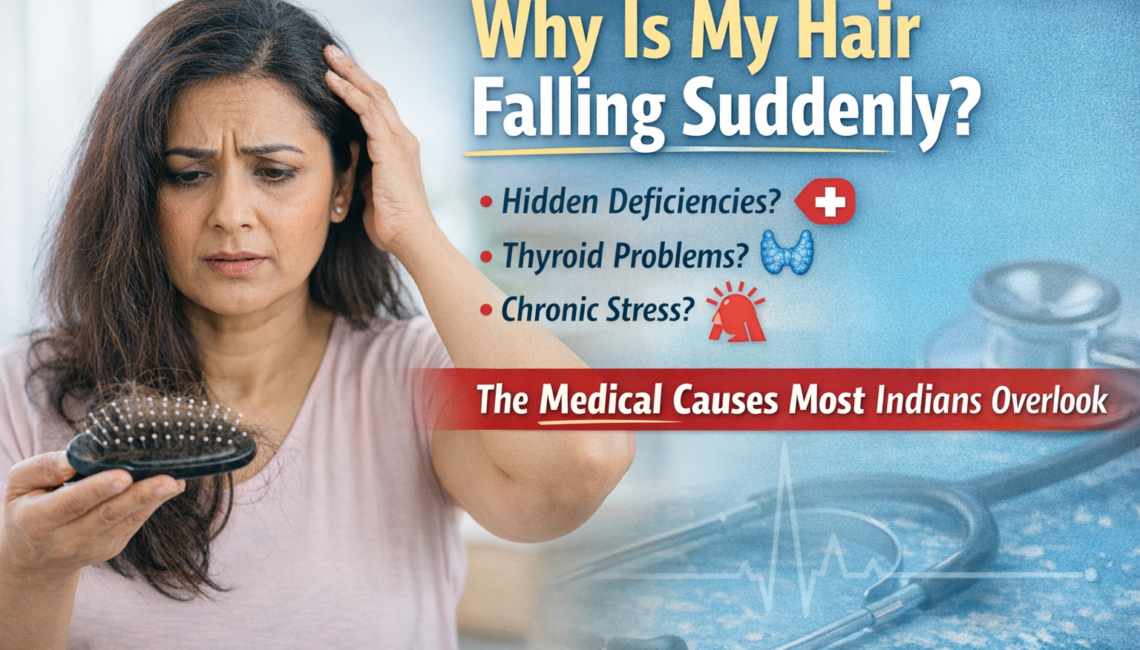
Why Is My Hair Falling Suddenly? The Medical Causes Most Indians Overlook (And When to Worry)
Hair fall has quietly become one of the most common health complaints in India today. From teenagers preparing for exams to professionals dealing with work stress, and even parents entering their 40s and 50s — excessive hair shedding is everywhere.
But here’s something most people don’t realize: hair fall is rarely just a cosmetic issue. In many cases, it is the body’s early warning system.
If your hair is thinning more than usual, if you notice more strands on your pillow, in the shower drain, or while combing — your body may be signaling an internal imbalance.
Instead of immediately trying oils, shampoos, or home remedies, it is important to ask the right question:
“Is my hair fall linked to something happening inside my body?”
Let’s explore the medical causes most Indians overlook — and understand when hair fall needs medical attention.
First: How Much Hair Fall Is Actually Normal?
Before panic begins, it’s important to understand the normal hair cycle.
Every strand of hair goes through three phases:
- Anagen (Growth Phase) – Hair actively grows for 2–6 years.
- Catagen (Transition Phase) – Growth slows down.
- Telogen (Resting Phase) – Hair sheds and new hair starts forming.
Losing 50–100 strands per day is considered normal.
However, when large numbers of hair suddenly enter the resting phase, excessive shedding occurs. This condition is known as Telogen Effluvium — and it is extremely common in India due to stress, nutritional gaps, and illness.
1. Iron Deficiency – The Silent Epidemic in India
Iron deficiency is one of the most common but underdiagnosed causes of hair fall in India — especially among women.
Due to vegetarian diets, irregular meals, menstrual blood loss, and pregnancy-related depletion, low ferritin levels are extremely common.
Iron helps red blood cells carry oxygen to hair follicles. When ferritin (iron storage) levels drop below optimal range, hair roots weaken.
Many dermatologists recommend ferritin levels above 50 ng/mL for healthy hair growth.
Common signs you may be iron deficient:
- Chronic fatigue
- Pale skin
- Brittle nails
- Feeling cold frequently
Hair fall due to iron deficiency often improves once levels are corrected under medical supervision.
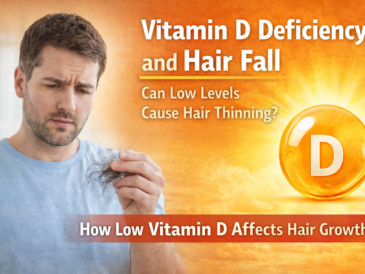
2. Vitamin D Deficiency – The Urban Lifestyle Problem
Ironically, in a country known for sunshine, Vitamin D deficiency is widespread — especially among urban populations.
Indoor jobs, pollution, sunscreen use, and limited sunlight exposure reduce natural vitamin D production.
Vitamin D plays a role in activating hair follicles and supporting the hair growth cycle.
Levels below 30 ng/mL may contribute to hair thinning.
If you rarely get 20–30 minutes of morning sunlight, it may be worth checking your levels.
3. Vitamin B12 Deficiency – Common in Vegetarian Diets
Vitamin B12 deficiency is particularly common among vegetarians.
B12 supports nerve health and red blood cell formation. Low levels reduce oxygen supply to scalp tissues.
Symptoms may include:
- Hair thinning
- Weakness
- Tingling sensation in hands and feet
- Mood fluctuations
Simple blood tests can confirm deficiency.
4. Thyroid Disorders – A Frequently Missed Cause
Thyroid imbalance is another common yet overlooked cause of hair fall in India.
Both hypothyroidism and hyperthyroidism disrupt hair growth cycles.
Additional symptoms may include:
- Sudden weight gain or loss
- Fatigue
- Irregular heartbeat
- Sensitivity to cold or heat
A simple TSH blood test can provide clarity.
5. Chronic Stress & Cortisol Imbalance
Modern life has increased mental stress significantly.
Work pressure, family responsibilities, financial concerns, and digital overload elevate cortisol levels.
High cortisol pushes hair follicles into the resting phase prematurely.
Hair fall may begin 2–3 months after a stressful event — making it difficult to connect the dots.
6. Chronic Inflammation – The Emerging Hidden Factor
Recent research suggests chronic low-grade inflammation may contribute to hair thinning.
Poor diet, processed foods, obesity, and uncontrolled blood sugar increase inflammatory markers.
Inflammation weakens follicle health over time.
This is especially relevant in individuals with:
- PCOS
- Diabetes
- Autoimmune conditions
- Chronic stress
7. Hormonal Changes After 35–40
Hair thinning often increases after the age of 35.
Hormonal shifts, particularly in women approaching perimenopause, can trigger shedding.
Men may experience increased sensitivity to DHT (a derivative of testosterone), leading to patterned hair loss.
8. Sudden Weight Loss & Crash Dieting
Rapid dieting, extreme calorie restriction, or illness can shock the body.
The body prioritizes essential organs over hair growth.
Hair fall may begin 6–12 weeks after severe dietary restriction.
When Should You See a Doctor?
Consult a healthcare professional if you notice:
- Hair fall lasting more than 3 months
- Visible bald patches
- Hair fall with fatigue or weight changes
- Sudden severe shedding
Tests to Consider (Under Medical Advice)
- Complete Blood Count (CBC)
- Serum Ferritin
- Vitamin D
- Vitamin B12
- Thyroid Profile (TSH, T3, T4)
- Blood Sugar Levels
Final Thoughts
Hair fall is not just about appearance. It is often a reflection of internal health.
Before investing in expensive products or trending remedies, focus on identifying underlying causes.
In many cases, correcting nutritional deficiencies, balancing hormones, managing stress, and improving diet can significantly reduce hair fall.
Your hair may be trying to tell you something. Listening early can prevent long-term damage.
Disclaimer: This article is for educational purposes only and does not replace professional medical advice. Always consult a qualified healthcare professional before starting supplements or treatment.